Green Grading: Sustainable Practices for Modern Landscaping Feb 07, 2026
Understanding the impact land grading has on the environment is essential. Proper grading ensures water drainage is optimized, which prevents soil erosion and reduces the risk of water logging. This is a cornerstone of "green grading." By aligning our work with environmental standards, Grading and Land Improvements ensures each project is designed with sustainable outcomes in mind, thus protecting natural ecosystems and the biodiversity they support.
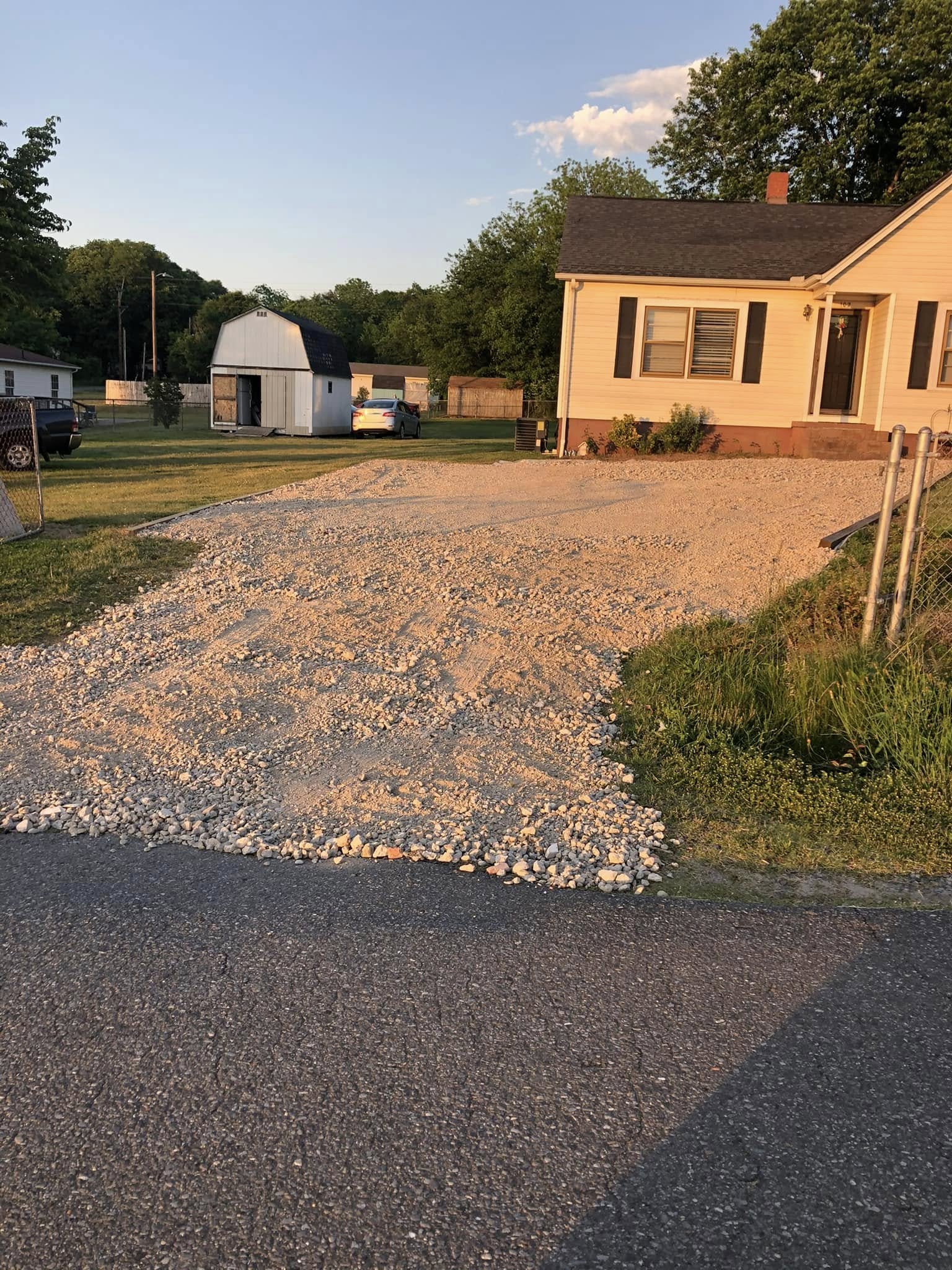
One of the primary sustainable practices in modern landscaping is the use of permeable materials. These materials allow water to pass through, supporting efficient water management by reducing runoff and allowing groundwater recharge. In contrast to traditional concrete, permeable paving solutions reduce surface temperatures and even support local wildlife. Grading and Land Improvements incorporates these eco-friendly alternatives into their projects, delivering functional and visually appealing results that are gentle on the environment.
Grading and Land Improvements also champions the use of native vegetation in landscaping design. Native plants offer a host of benefits; they are naturally adapted to the local climate and require less water and maintenance than non-native species. Moreover, they provide habitat for native wildlife, thus maintaining and fostering local biodiversity. By choosing native plants, clients can enjoy a beautiful, sustainable landscape that thrives with minimal intervention.
Another crucial aspect of green grading is efficient resource management. Grading and Land Improvements specializes in using recycled and locally-sourced materials wherever possible, significantly minimizing the carbon footprint associated with transportation. This practice not only supports local economies but also conserves energy and reduces greenhouse gas emissions, making every project part of a larger effort toward environmental responsibility.
Furthermore, Grading and Land Improvements is dedicated to educating clients on sustainable maintenance practices. After project completion, clients are encouraged to adopt eco-friendly maintenance techniques, such as mulching, composting, and using organic fertilizers. These methods help maintain soil health and reduce the need for chemical inputs, ensuring that landscapes remain vibrant and ecologically sound over time.
As awareness of environmental issues continues to grow, so does the demand for sustainable landscapes. By choosing Grading and Land Improvements, clients make a conscious decision to invest in their property and the planet's future. Sustainable grading and landscaping practices not only enhance the immediate beauty and functionality of a site but also contribute positively to broader environmental goals.
In conclusion, embracing green grading initiatives is not just an option but a necessity for modern landscaping projects. Grading and Land Improvements leads by example, integrating sustainable practices that respect and nurture the natural world. Whether through innovative use of materials, promoting biodiversity, or encouraging sustainable maintenance practices, the company's commitment to sustainability ensures that every project is an investment in the future. As more businesses and individuals turn toward environmental responsibility, Grading and Land Improvements stands as a beacon of sustainable practices, offering solutions that are as efficient as they are environmentally conscious.
/filters:no_upscale()/filters:format(webp)/media/0517a578-7b1a-427e-9919-230507aa58b8.jpg)
/filters:no_upscale()/filters:format(webp)/media/c411a677-1686-4f7e-9162-ffee37393e08.jpeg)